


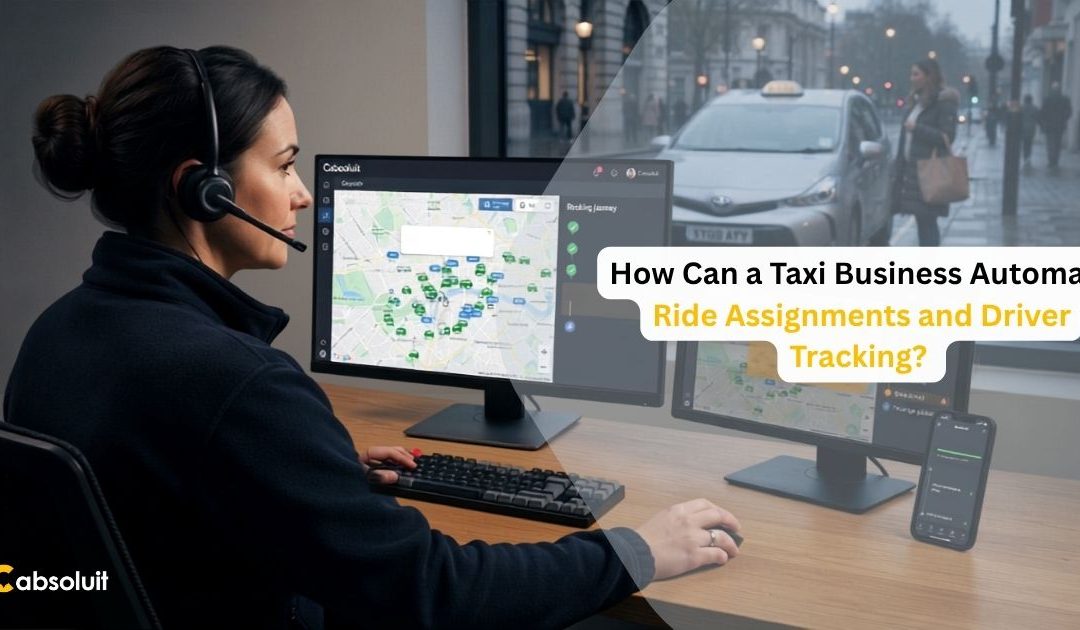
Running a taxi business becomes more challenging as the number of bookings, drivers, and vehicles increases. Many operators still rely on manual processes where dispatchers call drivers, check availability, and assign trips one by one. This can lead to delays, missed bookings, and extra workload.
Modern taxi businesses are now using taxi dispatch software to automate ride assignments and manage drivers more efficiently. These systems connect bookings, drivers, vehicles, and customers in one platform, helping operators provide faster and more reliable services.
An automated taxi dispatch system allows businesses to assign rides automatically, track vehicles in real time, and improve daily operations without increasing manual work.
- Why Manual Ride Assignment Becomes Difficult for Taxi Businesses
- How Taxi Dispatch Software Automates Ride Assignments
- Finding the Best Available Driver
- Automatic Driver Assignment Process
- How Real-Time Driver Tracking Works
- Benefits of Automating Ride Assignments and Driver Tracking
- Manual Dispatch vs Automated Dispatch System
- Key Features to Look for in Taxi Automation Software
- How Cabsoluit Helps Taxi Businesses Automate Operations
- Conclusion
- FAQs
Why Manual Ride Assignment Becomes Difficult for Taxi Businesses
1. Dependence on Manual Dispatcher Work
In a traditional taxi operation, dispatchers play a central role in managing every booking. They receive customer requests, contact available drivers, and decide who should take each trip.
This process works for small fleets, but it becomes difficult when the business grows.
Dispatchers have to manage multiple tasks at the same time, including:
- Finding available drivers
- Checking vehicle locations
- Updating customers
- Handling cancellations
- Managing urgent bookings
Human involvement also increases the chance of mistakes, especially during busy periods.
2. Delays in Driver Allocation
Speed is important in the taxi industry. Customers expect quick confirmations and short waiting times.
With manual dispatching, finding the right driver can take several minutes. A dispatcher may need to contact multiple drivers before finding someone available.
These delays can result in:
- Longer customer waiting times
- More booking cancellations
- Lower driver efficiency
- Poor customer experience
A taxi dispatch system removes these delays by automatically finding suitable drivers based on predefined rules.
3. Limited Fleet Visibility
Without a digital system, operators have limited information about their fleet.
They may not know:
- Which drivers are currently available
- Where vehicles are located
- Which areas have high demand
- How long a driver has been waiting for a job
A modern driver tracking software solution provides complete visibility through live maps and real-time updates.
How Taxi Dispatch Software Automates Ride Assignments
1. Receiving Bookings from Multiple Channels
Modern taxi businesses receive bookings from different sources. Customers may book through mobile apps, websites, phone calls, or messaging platforms.
A complete taxi dispatch solution brings all bookings into one central system.
2. Passenger App
Customers can request rides directly through a passenger app. They can enter pickup and drop-off locations, select vehicle types, and receive booking confirmations.
3. Website Booking
A website booking system allows customers to schedule rides online without calling the office. This helps businesses capture more bookings and provide a smoother experience.
4.WhatsApp Chatbot
Many customers prefer messaging instead of downloading an app. A WhatsApp chatbot allows passengers to request rides, receive booking updates, and interact with the business through a familiar platform.
5. Phone Bookings
Traditional phone bookings can also be managed through the dispatch platform, allowing operators to handle every booking from one dashboard.
Finding the Best Available Driver
Once a booking is received, the automated dispatch system analyses available drivers and selects the most suitable option.
The system considers different factors, such as:
1. Driver Location
The software identifies nearby drivers using GPS data. Assigning closer drivers helps reduce waiting times and improves efficiency.
2. Driver Availability
The system checks whether a driver is free, already completing a trip, or unavailable.
3. Vehicle Type
Some customers may require specific vehicles, such as executive cars, wheelchair-accessible vehicles, or larger passenger vehicles.
The dispatch system can match the booking with the correct vehicle category.
4. Service Area
Operators can define zones and service areas to ensure bookings are assigned to suitable drivers.
Automatic Driver Assignment Process
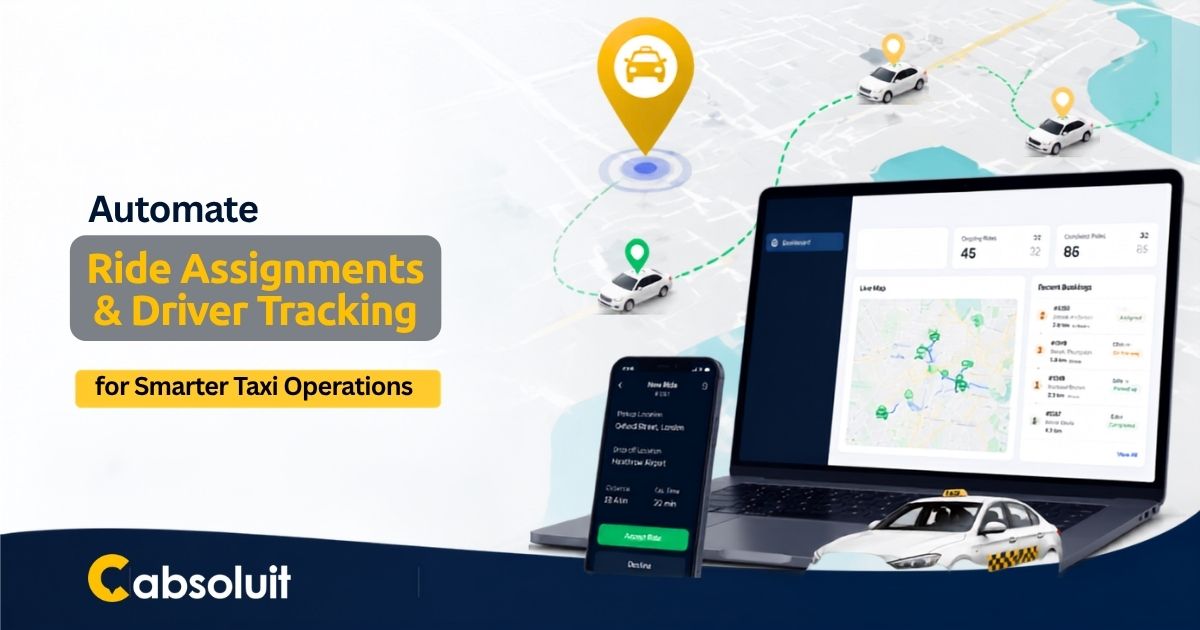
After analyzing available options, the system automatically sends the booking request to the selected driver.
The driver receives the trip details through the driver app, including:
- Pickup location
- Destination
- Customer details
- Navigation route
This reduces dispatcher workload and allows businesses to handle more bookings with the same team.
How Real-Time Driver Tracking Works
1. Live Vehicle Location Monitoring
GPS tracking is one of the most important features of modern taxi fleet management software.
Operators can view vehicle locations on a live map and monitor active trips in real time.
This helps businesses:
- Track ongoing journeys
- Improve driver coordination
- Respond quickly to customer questions
- Manage their fleet more effectively
2. ETA Updates and Route Optimisation
Real-time tracking also improves estimated arrival times. The system uses location data and mapping technology to provide better ETAs for customers and operators. Drivers can follow optimized routes, helping reduce unnecessary delays and fuel costs.
3. Driver Performance and Trip Monitoring
Taxi businesses can use tracking data to understand daily operations.
Operators can review:
- Completed trips
- Driver activity
- Journey history
- Vehicle performance
These insights help improve fleet performance and make better business decisions.
Benefits of Automating Ride Assignments and Driver Tracking
1. Faster Booking Response Times
Automation helps assign drivers within seconds instead of relying on manual communication.
Customers receive faster confirmations and shorter waiting times.
2. Reduced Dispatcher Workload
Dispatchers can focus on customer service and problem-solving instead of manually assigning every ride.
3. Better Fleet Utilisation
Operators can understand how their vehicles are being used and reduce idle time.
4. Improved Customer Experience
Customers benefit from:
- Faster pickups
- Accurate driver tracking
- Better communication
- Reliable service
5. Easier Fleet Scaling
As a taxi company grows, managing more vehicles manually becomes difficult.
Automation allows businesses to expand their fleet while keeping operations organised.
Manual Dispatch vs Automated Dispatch System
|
Manual Dispatch |
Automated Dispatch |
|
Dispatcher assigns every booking manually |
System assigns suitable drivers automatically |
|
More chances of delays and errors |
Faster and more accurate allocation |
|
Limited fleet visibility |
Real-time vehicle tracking |
|
Difficult for large fleets |
Scales easily with business growth |
Modern taxi companies prefer automated dispatch because it improves efficiency while reducing operational pressure.
Key Features to Look for in Taxi Automation Software
A reliable taxi dispatch system should include:
1. Automated Driver Assignment
Automatically matches bookings with suitable drivers based on location, availability, and vehicle type.
2. Real-Time GPS Tracking
Provides live vehicle monitoring and accurate journey updates.
3. Driver Mobile App
Allow drivers to receive jobs, navigate routes, and manage trip information.
4. Dispatcher Dashboard
Provides complete control over bookings, drivers, vehicles, and active trips.
5. Booking Management
Manages bookings from multiple channels in one place.
6. Reporting and Analytics
Provides insights into revenue, trips, driver performance, and fleet activity.
How Cabsoluit Helps Taxi Businesses Automate Operations
Cabsoluit provides taxi operators with tools to simplify daily operations and improve fleet management.
1. Automated Dispatching
Cabsoluit automatically assigns bookings to suitable drivers, helping operators reduce manual work and improve response times.
2. Driver App for Instant Job Updates
Drivers receive trip requests directly through the app, including booking details and navigation support.
3. Real-Time Vehicle Tracking
Operators can monitor vehicles live and maintain better control over their fleet.
4. Admin Panel for Fleet Management
The admin panel allows businesses to manage drivers, vehicles, fares, bookings, and reports from one place.
5. WhatsApp Booking Automation
Cabsoluit’s WhatsApp chatbot allows customers to request rides quickly through WhatsApp, creating another simple booking channel.
Conclusion
Automating ride assignments and driver tracking has become essential for modern taxi businesses. Manual dispatching may work small operations, but growing fleets need smarter solutions to manage bookings, drivers, and vehicles efficiently.
A taxi dispatch software system helps businesses automate daily tasks, improve customer experience, and operate a more efficient fleet.
With features like automated dispatching, GPS tracking, driver apps, and booking automation, taxi operators can save time and build a stronger transportation business.
FAQs
Taxi dispatch software uses information such as driver location, availability, vehicle type, and service area to select the most suitable driver for each booking.
Automated taxi dispatch is a system that assigns rides to drivers automatically without requiring a dispatcher to manually contact drivers.
GPS tracking helps operators monitor vehicles, provide accurate ETAs, improve routes, and manage their fleet more effectively.
Yes. Automated dispatch software can help both small taxi companies and large fleets improve efficiency and reduce manual work.
A good taxi dispatch system should include automated driver assignment, GPS tracking, driver and passenger apps, booking management, reporting, and communication tools.
Interested in learning more? Get in touch!
Please fill out the form below and we will get back to you shortly.