


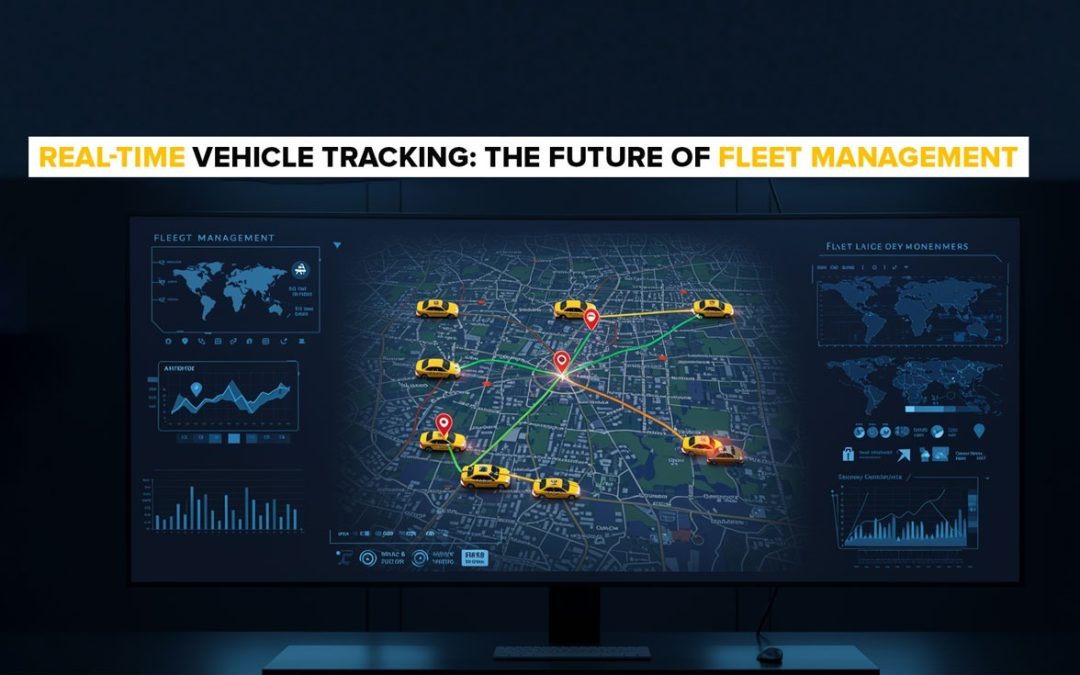
Numerous companies are today relying on this technology to ensure that their fleets are better managed. Real-time tracking is used by taxi companies, delivery services, and logistics fleets to enhance dispatch and minimize delays, and deliver quicker service. It is also useful in assisting companies to make better decisions and in making their daily operations organized.
- What Is Real-Time Vehicle Tracking?
- How Real-Time Vehicle Tracking Systems Work
- Key Benefits of Real-Time Vehicle Tracking for Fleets
- Industries That Use Real-Time Vehicle Tracking
- Important Features of a Modern Vehicle Tracking System
- How Real-Time Tracking Improves Fleet Management
- Why Taxi and Transport Businesses Need Vehicle Tracking
- Future of Real-Time Vehicle Tracking
- Conclusion
- FAQs
What Is Real-Time Vehicle Tracking?
Real-time vehicle tracking refers to the system which displays the real-time position of vehicles on an electronic map. It is based on GIS (Geographic Information System) to show the position and movements of vehicles through a software platform. This enables companies to track vehicles in their day-to-day operations.
A modern tracking system helps companies:
- Watch the fleet of vehicles in their present position.
- Keep track of routes taken and activity of driver.
- Enhance the dispatching and scheduling.
The technology is common in taxi dispatch programs, taxi dispatch system, delivery programs and transport companies to track down motor vehicles and enhance day-to-day operations.
The place of information is transmitted to a car tracking system within a cloud-based service or fleet management program. Fleet managers have an opportunity to open a dashboard and observe vehicles on a live map.
How Real-Time Vehicle Tracking Systems Work
Real-time vehicle tracking works in a few simple steps. It helps fleet businesses track vehicles, monitor routes, and manage daily dispatch operations from one platform. This system is often used in taxi dispatch software, taxi management software, and other fleet solutions.
1. Tracking Device or Mobile App in the Vehicle
A tracking device or driver app is used in the vehicle to capture live location data. In many modern systems, this data is shown through GIS-based tracking on a digital map. This helps the system follow vehicle movement during active trips and bookings.
2. Data Sent to Fleet Management Software
The location data is sent to the fleet management software or dispatch platform. The cloud-based system updates the dashboard in real time. This gives taxi companies and fleet operators a simple way to manage vehicles, drivers, and booking operations.
3. Fleet Managers Monitor Vehicles in Real Time
Fleet managers can view all vehicle activity from one dashboard. They can check:
- live vehicle location
- routes
- trip history
This helps companies improve dispatching, save time, and support better fleet operations.
Key Benefits of Real-Time Vehicle Tracking for Fleets
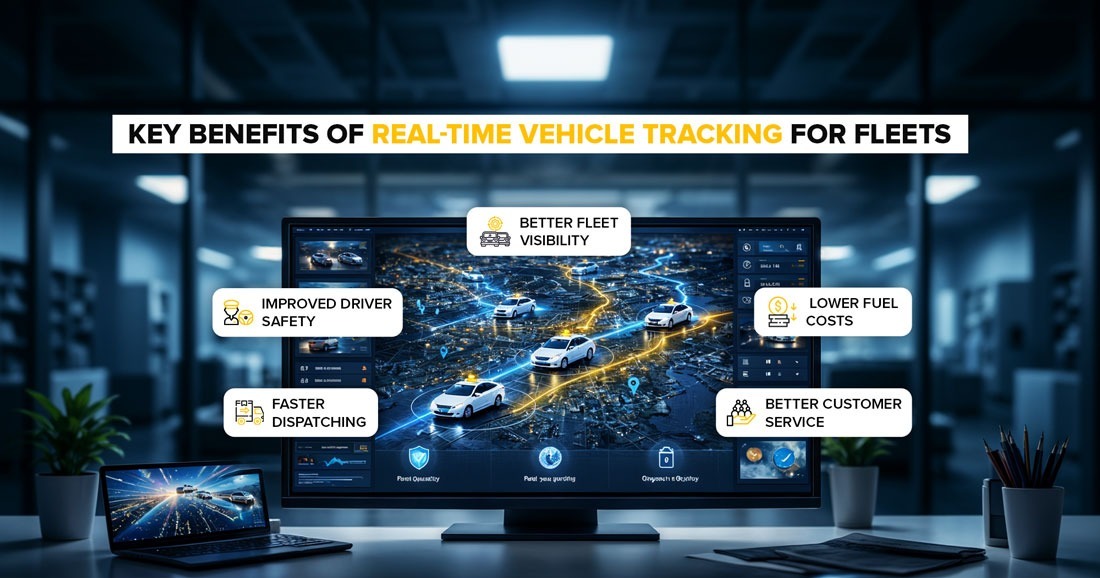
This system is common in the taxi dispatch software, taxi management software and other fleet solutions.
1. Better Fleet Visibility
The vehicle has a tracking device or driver application that takes live location data. This information is displayed in most current systems by using GIS-tracking in a computer map. This assists the system to track the movement of vehicles in active trips and bookings.
2. Improved Driver Safety
The data on the location is exchanged with the fleet management software or dispatch platform. The cloud-based updates the dashboard in real time.
This provides taxi companies and fleet operators with an easy mode of managing vehicles, drivers, and booking activities
3. Faster Dispatching
Intelligent tracking system enhances dispatch systems. Dispatchers will be able to locate the closest available vehicle and bookings will be assigned in a shorter period of time. This renders taxi dispatch software and cab dispatch systems to be more efficient.
4. Lower Fuel Costs
With improved route planning and route optimization, fleets are able to avoid unnecessary driving. The drivers cut short and efficient routes and this assists the businesses in saving fuel and operating costs.
5. Better Customer Service
Real time monitoring assists firms in giving the correct arrival times. Through mobile apps, customers are able to monitor cars and understand when they will pick them or when they will deliver them. This enhances the general booking and service experience.
Industries That Use Real-Time Vehicle Tracking
Real-time vehicle tracking is applicable in various industries to operate fleets and enhance daily operations. A vehicle tracking system assists companies to track vehicles, route planning, and assist in improved dispatching.
1. Taxi and Ride-Hailing Companies
Ride-hailing and taxi companies are based on software to control drivers and seat reservations. Cabbies, taxi dispatch software and cab dispatch systems display the position of vehicles on a live map. This will assist in sending teams dispatching the closest driver and enhance the efficiency of ride booking.
2. Logistics and Delivery Fleets
Tracking is used in delivery and logistics companies to organize the routes and ships. Fleet managers will be able to track the vehicles, deliveries and refine routing. This can minimize delays and maintain delivery operations in order.
3. School Transport Services
Tracking of buses is also used by school transport companies to enhance student safety. Fleet managers will be able to observe the position of vehicles, their routes, and they will make sure that buses move according to the planned routes.
4. Corporate Transport Services
The employees transport fleets of many companies exist. Real time tracking assists in controlling vehicles, tracking drivers and delivery of staff to their destinations safely and punctually.
Important Features of a Modern Vehicle Tracking System
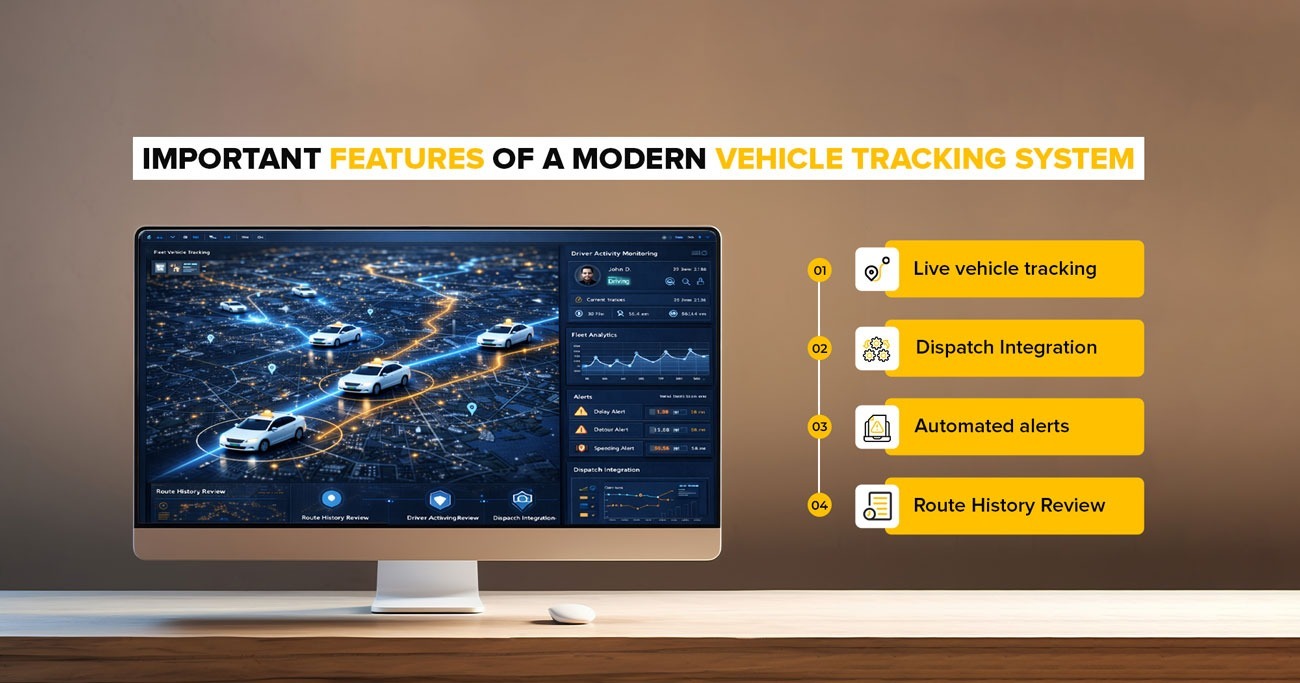
Important features usually include:
- Live vehicle tracking on a digital map
- Route history to review past journeys
- Automated alerts for delays or unusual activity
- Fleet reports for better operational insights
- Integration with dispatch software
Many systems also include fleet monitoring dashboards. These dashboards help managers track vehicles, manage bookings, and support daily dispatch operations from one interface.
How Real-Time Tracking Improves Fleet Management
Fleet management in transport companies is easier with the help of real-time tracking. Fleet managers are able to view vehicles in a live map and react promptly to adjustments in the day-to-day activities.
This improves fleet management in several ways:
- Better decision making using real-time vehicle data
- Faster dispatch by sending the nearest vehicle to a job
- Improved fleet productivity through better trip management
- Reduced idle time by monitoring vehicle activity
- Optimized routes to reduce delays and fuel use
For example, a taxi company can quickly assign the closest driver to a booking. This saves time and improves service.
Why Taxi and Transport Businesses Need Vehicle Tracking
There are a lot of vehicles and drivers that are handled by taxi and transport companies on a daily basis. In the absence of a tracking system, routes, bookings, and dispatch operations will be hard to track.
Real-time vehicle tracking helps businesses:
- Improve dispatch efficiency
- Ensure accurate passenger pickup times
- Monitor drivers during active trips
- Manage large fleets of vehicles
Many taxi management software systems are equipped with tracking features to aid in the day-to-day operations. These systems assist the transport companies to maintain order of their vehicles and offer customers quality service.
Future of Real-Time Vehicle Tracking
Advancement in real time vehicle tracking is being made with the entry of new technologies in the transport industry. Numerous new platforms are integrating AI-based fleet management solutions to aid companies in managing vehicles in a more efficient manner.
Such features as predictive maintenance can be introduced into the future system and can alert about vehicle problems before they can get serious. Automation will also be used in smart dispatch systems in assigning jobs at a higher rate.
A lot of tracking systems are currently connected with mobile applications; thus fleet managers, drivers, and customers may track the trip directly at their phones.
Conclusion
Live vehicle monitoring is significant in contemporary fleet management. It assists companies in visualizing the position of vehicles, tracking drivers, and controlling trips in one platform.
Increasingly efficient dispatch efficiency, minimizing delays and managing fleets can be achieved by the companies with enhancing tracking tools. This results in safer operation, faster service delivery and customer and transport business experiences.